Meeting Halal Requirements for Corporate Catering
Table Of Contents
Cultural Sensitivity in Catering
Catering for diverse cultural backgrounds requires a nuanced understanding of various dietary restrictions and preferences. In many communities, particularly among Muslims, the consumption of halal food goes beyond mere preference; it embodies deeply held religious beliefs. Recognising and respecting these needs can significantly enhance the experience for clients who adhere to such practices. Incorporating halal options into menus not only demonstrates cultural awareness but also creates an inclusive atmosphere for all guests, fostering a sense of community.
Awareness of cultural practices can extend into various facets of catering, such as table settings and serving styles. For instance, the way food is presented can impact how it is perceived and enjoyed by guests from different backgrounds. Offering a range of dishes that respect cultural traditions may enhance guest satisfaction. Consideration of factors such as the separation of utensils or the use of communal serving methods may also reflect cultural sensitivity in catering. By prioritising these aspects, catering services can ensure they meet the expectations of their clients while celebrating the richness of diverse cultures.
Recognising Dietary Needs Beyond Halal
Catering services must always consider a diverse clientele with varying dietary needs beyond just Halal requirements. Organizations often include individuals with vegetarian, vegan, gluten-free, and other specific dietary restrictions. Acknowledging these preferences ensures inclusivity and promotes a welcoming environment for all guests. By embracing a wider spectrum of dietary considerations, catering companies can enhance their appeal and demonstrate their commitment to customer care.
Educating staff about these dietary requirements is essential in delivering exceptional service. Training can cover the importance of avoiding cross-contamination and understanding allergies or intolerances. Knowledgeable staff can provide accurate information about food content and preparation methods, reassuring clients with specific needs. This attention to detail builds trust and fosters long-term relationships with clients who appreciate an understanding approach to their dietary preferences.
Packaging and Presentation Standards
Effective packaging and presentation play a crucial role in the perception of halal catering services. It is essential to utilise materials that reflect cultural sensitivities while ensuring that the packaging is practical and eco-friendly. Clear labelling is vital, indicating halal certification and other dietary details. This transparency builds trust with clients and customers who may have specific dietary restrictions or preferences, reinforcing the commitment to quality and compliance.
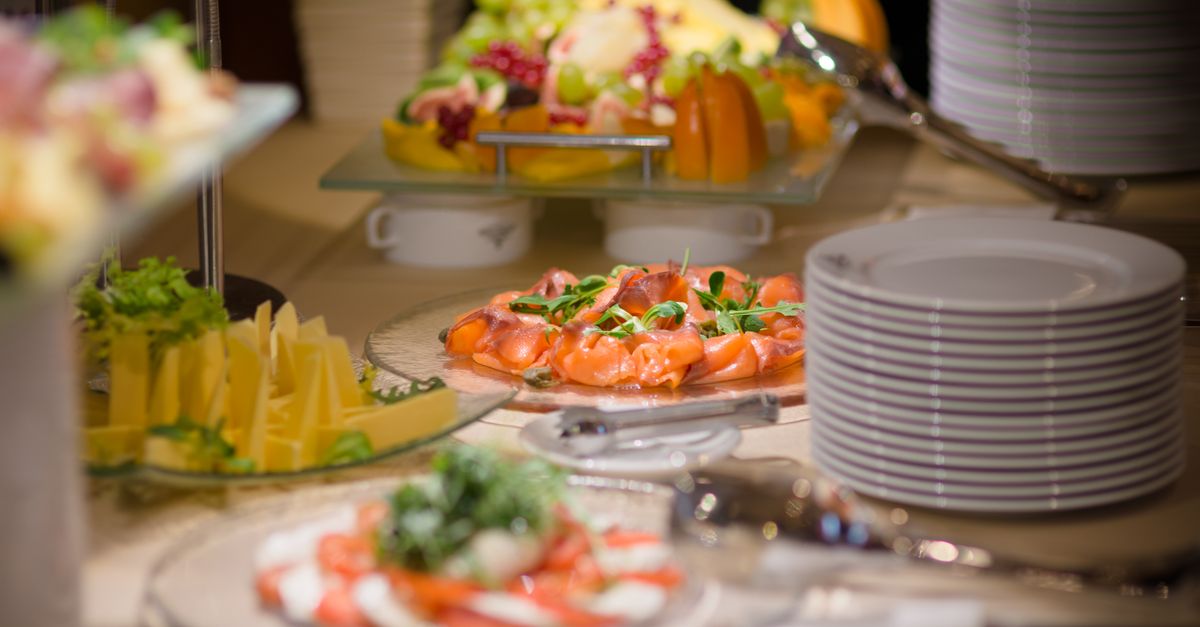
The visual appeal of food also significantly impacts the dining experience. Elegant presentation can elevate the perceived value of a meal, making it more attractive to guests. Utilizing traditional serving dishes that align with the cultural context of the halal cuisine can enhance the authenticity of the service. Incorporating decorative elements that reflect the heritage of the dishes can foster a deeper appreciation and connection to the cuisine being offered.
Maintaining Halal Integrity from Kitchen to Table
The journey of halal food from preparation to presentation demands strict adherence to practices that uphold its integrity. When catering services prepare halal meals, it is essential to ensure that all ingredients are sourced from certified halal suppliers. Cross-contamination can easily compromise the halal status of food. Staff training plays a pivotal role in this process, equipping employees with the knowledge necessary to avoid mixing halal and non-halal items during meal preparation and serving.
Once meals are prepared, the methods of transportation and presentation are equally important in maintaining the halal standard. Using dedicated equipment for halal dishes prevents accidental contamination. Proper packaging that identifies halal meals can further reassure clients and diners about the authenticity of the food. From the kitchen to the final serving at an event, every step should reflect a commitment to halal compliance, demonstrating respect for the dietary beliefs of those being catered to.
Communicating Halal Options to Clients
Effective communication plays a crucial role when presenting halal options to clients. Caterers must ensure that all halal offerings are clearly labelled and detailed on menus. Transparency regarding the sourcing and preparation of halal foods fosters trust and reassures clients about their dietary needs. Providing information on certifications and suppliers can further enhance credibility and reduce any uncertainties clients may have.
Utilising various communication channels is also beneficial. Social media platforms can be effective for sharing engaging content about halal options and showcasing successful events. Informative brochures and website updates serve as practical tools for clients to learn about the halal choices available to them. Open lines of communication create opportunities for clients to ask questions, allowing caterers to clarify any concerns and tailor their services accordingly.
Effective Marketing Strategies for Catering Services
Understanding the diverse audience that corporate catering services attract is essential for effective marketing. Highlighting unique offerings catered to specific dietary needs can set a business apart in a competitive marketplace. Tailoring promotional materials to include clear information about halal options showcases cultural awareness and respect. Engaging visuals coupled with well-crafted messages resonate with clients seeking responsible catering solutions.
Utilising social media platforms provides an excellent opportunity to connect with potential clients. By sharing success stories or client testimonials, the catering service can enhance its credibility and showcase its commitment to quality and authenticity. Collaborating with influencers within the community can amplify outreach efforts, making the halal offerings well-known among target demographics. Regularly updating content ensures ongoing engagement and keeps the brand relevant in a dynamic environment.
FAQS
What does it mean for catering to meet halal requirements?
Meeting halal requirements means ensuring that food and beverages served comply with Islamic dietary laws, which include the sourcing of ingredients, preparation methods, and serving practices.
How can catering services ensure cultural sensitivity when providing halal options?
Catering services can ensure cultural sensitivity by understanding the diverse dietary needs of clients, respecting cultural practices, and providing options that cater to various religious and dietary restrictions beyond just halal.
What are some important packaging and presentation standards for halal catering?
Important packaging and presentation standards include using materials that are halal-certified, ensuring that packaging is free from contamination with non-halal substances, and presenting food in a way that respects Islamic customs.
How can catering companies maintain halal integrity from kitchen to table?
Catering companies can maintain halal integrity by implementing strict protocols in their kitchens, training staff on halal practices, and ensuring that all suppliers are halal-certified to prevent cross-contamination.
What strategies can be used to effectively communicate halal options to clients?
Effective strategies include providing clear information about halal practices on marketing materials, offering tastings of halal options, and training sales staff to discuss halal offerings confidently with clients.
Related Links
Understanding Lactose Intolerance and Its Impact on MenusHow to Cater for Vegan and Vegetarian Clients
Incorporating Superfoods in Health-Conscious Catering
The Importance of Flexibility in Dietary Needs at Events
Balancing Taste and Dietary Needs in Corporate Menus
Crafting Nut-Free Menus for Safe Dining Experiences
Creating Gluten-Free Options for Corporate Functions