Engaging Catering Ideas for Intimate Gatherings in Wollongong
Table Of Contents
Dietary Considerations
Planning a menu that accommodates various dietary needs enhances the comfort and enjoyment of your guests. It is essential to consider common preferences and restrictions such as vegetarianism, veganism, gluten intolerance, and nut allergies. Being inclusive not only shows thoughtfulness but also ensures everyone has delicious options to savour, making the event feel more welcoming.
Providing a diverse range of dishes can cater to different lifestyles and beliefs. Offering labels on each dish can help guests identify which foods meet their dietary needs. Furthermore, incorporating a variety of colours and textures in the selection can elevate the dining experience while ensuring that dietary considerations are treated with the attention they deserve.
Catering for Various Dietary Needs and Preferences
When planning an intimate gathering, it is essential to consider the diverse dietary needs of guests. A thoughtful approach involves offering a variety of options that cater to common requirements such as vegetarian, vegan, gluten-free, and nut-free diets. By thoughtfully selecting dishes that accommodate these needs, hosts can ensure everyone feels included and satisfied. This consideration not only shows care for the guests but also enhances the overall dining experience.
Incorporating seasonal and locally sourced ingredients can make the menu both appealing and accommodating. Simple modifications to traditional recipes can yield delicious alternatives. For instance, using plant-based proteins or gluten-free grains can make popular dishes accessible to everyone. This inclusive approach promotes a sense of belonging among guests and allows for a relaxed atmosphere where everyone can enjoy the meal without concern for their dietary restrictions.
Sustainable Catering Practices
Catering for intimate gatherings can incorporate sustainable practices that not only benefit the environment but enhance the dining experience. Sourcing ingredients locally reduces the carbon footprint associated with transportation and supports local businesses. Seasonal produce often tastes better and provides guests with a fresh and vibrant menu. Emphasising plant-based options can also reduce environmental impact, allowing for a variety of flavours that delight while being mindful of the planet.
Using eco-friendly packaging and utensils plays a crucial role in sustainable catering. Compostable plates and cutlery make clean-up easy while ensuring minimal waste contributes to landfills. Offering a mix of self-serve and plated options can also reduce food waste by allowing individuals to take what they truly want. By adopting these practices, not only does the catering reflect a commitment to sustainability, but it also creates a more conscious dining atmosphere for guests.
Implementing Eco-Friendly Food Solutions
A growing number of caterers are embracing eco-friendly practices to reduce their environmental impact. Sourcing ingredients locally minimises food miles and supports local farmers. Seasonal produce not only tastes better but also aligns with sustainable agriculture practices. Establishing partnerships with local vendors can make a significant difference in promoting a sustainable food culture within the community.
Using biodegradable or compostable serving ware is another practical solution for eco-conscious catering. This approach reduces waste and ensures that all components of the meal are environmentally friendly. Implementing recycling initiatives at events encourages guests to participate in sustainability efforts. By thoughtfully considering sourcing and materials, intimate gatherings can reflect a commitment to the planet while still offering delicious food experiences.
Miniature Portions and Bites
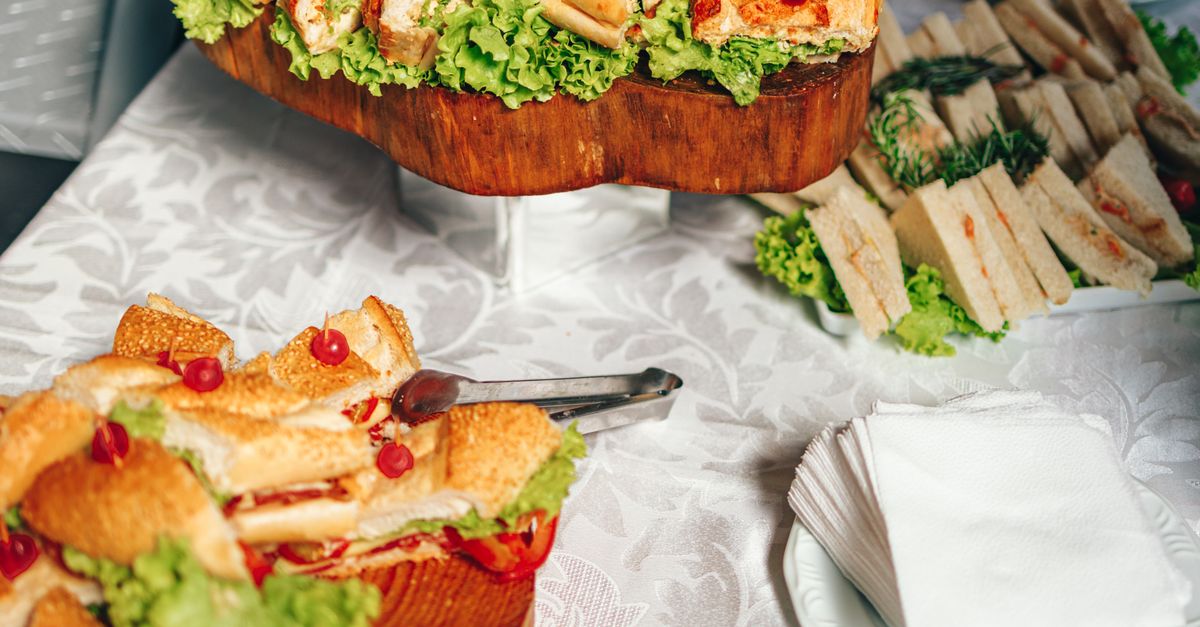
When planning an intimate gathering, incorporating miniature portions can significantly enhance the dining experience. Small plates allow guests to sample a variety of flavours without the commitment of a full entrée. This approach not only caters to different tastes but also encourages mingling and sharing among attendees. Dishes such as sliders, tartlets, or gourmet canapés create a casual yet refined atmosphere, making the event feel distinctive and thoughtful.
The art of crafting these small delights lies in their presentation and flavour combinations. Chefs can play with textures and colours to ensure that each bite is visually appealing and exciting to the palate. Seasonal ingredients can be utilised to create a menu that reflects the local landscape of Wollongong, showcasing regional produce. Pairing these small plates with appropriate beverages can elevate the experience further, allowing each guest to appreciate the nuances of the meal in a relaxed setting.
Crafting Delicious Small Plates for Casual Dining
Small plates offer the perfect opportunity to showcase creativity and variety at intimate gatherings. These bite-sized delights can incorporate a range of cuisines, ensuring every guest finds something to savour. From elegant seafood bites to hearty vegetarian options, the diversity of flavours allows for a memorable culinary experience. Presentation plays a key role, with colourful garnishes and unique serving dishes enhancing the visual appeal of each plate.
Incorporating seasonal ingredients elevates the small plate offerings, providing freshness and quality while supporting local producers. Pairing these dishes with suitable beverages can also enhance the dining experience, with options like craft beers or boutique wines complementing the flavours beautifully. Having a selection of dipping sauces alongside the bites invites interaction and engagement among guests, making the gathering not just a meal but a shared experience filled with conversation and laughter.
FAQS
What dietary considerations should I keep in mind when planning a catering menu for my gathering in Wollongong?
It’s important to consider various dietary needs such as vegetarian, vegan, gluten-free, and nut allergies. Offering a range of options ensures that all guests can enjoy the meal.
How can I ensure my catering is suitable for various dietary needs and preferences?
You can create a diverse menu with clearly labelled dishes that cater to different dietary requirements. Additionally, consulting with your caterer about their ability to accommodate specific needs can be very helpful.
What are some sustainable catering practices I can implement for my event?
Sustainable practices include sourcing local and seasonal ingredients, minimising food waste, and using eco-friendly packaging. Opting for caterers that prioritise sustainability can also make a significant impact.
How can I craft delicious small plates for casual dining?
Focus on a variety of flavours and textures when creating small plates. Incorporate seasonal ingredients and offer a mix of vegetarian and non-vegetarian options to appeal to all guests.
Are miniature portions a good idea for intimate gatherings?
Yes, miniature portions allow guests to try a variety of dishes without feeling too full. This encourages mingling and can make the dining experience more enjoyable.
Related Links
How to Personalise Your Private Function MenuLocally Sourced Ingredients for Private Event Catering
Tailoring Your Catered Menu to Suit Guest Preferences
Pairing Drinks with Food for Private Functions
Crafting the Perfect Atmosphere with Private Function Catering