Choosing the Right Menu for Your Conference Event
Table Of Contents
Themed Menus for Special Events
Incorporating a theme into your conference menu can elevate the overall atmosphere and create a memorable experience for attendees. A cohesive theme helps set the tone of the event, allowing guests to immerse themselves in a cohesive narrative through food, décor, and even the venue. For instance, a contemporary corporate gathering might adopt a sleek, minimalist theme with clean lines reflected in both the presentation of the dishes and the choice of ingredients, favouring local produce and modern culinary techniques.
Themes can also embrace various cultures or genres, transforming the dining experience into a culinary journey. A Mediterranean-inspired menu could include tapas, grilled seafood, and fragrant herbs, while an Asian fusion theme might showcase sushi, dumplings, and aromatic curries. These themed menus not only satisfy the palate; they also serve as conversation starters, helping to foster connections between attendees during meal times. Whether it’s a festive celebration or a serious business conference, the right theme reflects the event's purpose and makes it more relatable for participants.
Enhancing the Conference Experience with Unique Themes
Incorporating unique themes into your conference menu can greatly elevate the overall atmosphere and attendee experience. Themes can reflect the purpose of the event, showcase local cuisine, or highlight a specific culture. This creative approach stimulates conversation and engagement among participants, fostering connections and making the event more memorable. When guests enjoy meals that resonate with the theme, it enhances their emotional connection to the event and its objectives.
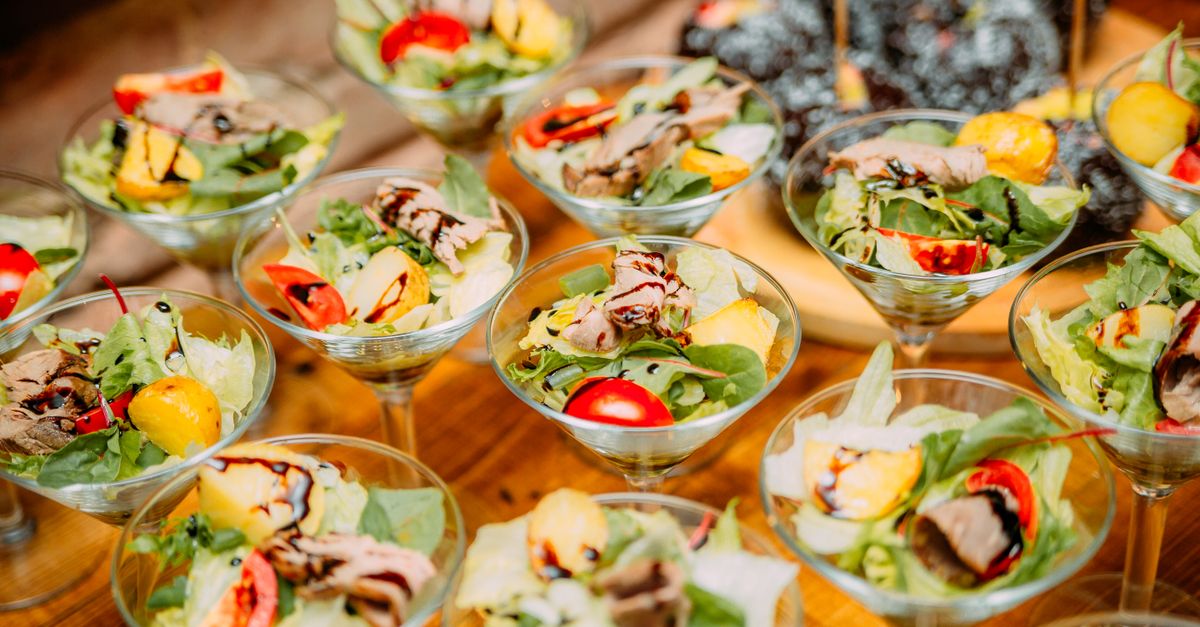
Crafting a menu around a particular theme also allows for greater flexibility in food presentation. Visual elements can play a significant role in leaving a lasting impression. Colourful garnishes, thematic decorations, and creative plating can make even simple dishes exciting and memorable. Choosing the right theme encourages innovative culinary interpretations, resulting in a dining experience that complements the conference’s objectives while delighting the senses of all attendees.
Dietary Accommodations
When planning a conference menu, it is essential to consider the diverse dietary needs of attendees. Many guests may have allergies, intolerances, or specific dietary preferences. By offering a variety of options, including vegetarian, vegan, gluten-free, and nut-free dishes, event planners can ensure that all participants feel included and satisfied. Clearly labelling each food item allows attendees to make informed choices without the stress of uncertainty.
Another important aspect is collecting dietary requirements in advance. Sending out a questionnaire during the registration process can help you gauge the specific needs of your guests. This proactive approach enables caterers to prepare adequately and avoid cross-contamination. Moreover, having a few versatile dishes, such as fresh salads or vegetable platters, can serve as excellent options for those with unexpected restrictions, showing your commitment to accommodating everyone.
Catering to Allergies and Special Diets
When planning a conference menu, it is essential to consider dietary restrictions that attendees may have. Many individuals face allergies or follow specific diets for health or ethical reasons. Providing options that cater to common allergies, such as gluten, nuts, dairy, and seafood, helps create an inclusive environment. Clearly labelling food items can also alleviate concerns and ensure guests feel safe when selecting their meals.
In addition to allergies, it’s important to acknowledge various dietary preferences. Offering vegetarian, vegan, and low-carb options accommodates those who may choose to follow these lifestyles. Consulting with your catering team about the best ways to balance traditional menu items with diverse dietary needs can enhance the overall experience. This thoughtful consideration not only satisfies diverse palates but also shows respect for the well-being of all attendees.
Beverage Pairings
Selecting the right beverages can enhance the overall dining experience at a conference. Consider pairing wines with specific meals; for instance, a crisp white wine complements seafood dishes while a rich red wine enhances red meat options. Non-alcoholic selections should not be overlooked as well. Sparkling water, fresh juices, and premium sodas can provide a refreshing contrast to the food, appealing to a broader audience.
Incorporating a variety of beverage options accommodates differing tastes and preferences. Craft beers and artisan spirits demonstrate a commitment to local producers, which adds a personal touch to the event. Offering a selection of hot beverages, such as specialty coffees and herbal teas, provides warmth and comfort, especially during early morning or mid-afternoon sessions. Thoughtfully curated beverage pairings not only complement the food but also create a more cohesive experience for attendees.
Complementing Food Choices with the Right Drinks
Selecting the appropriate beverages can elevate the dining experience at any conference. Thoughtful pairings can enhance flavours and create a cohesive atmosphere. For example, a robust red wine complements hearty meat dishes, while a crisp white wine pairs beautifully with seafood and lighter options. Offering a variety of non-alcoholic beverages, such as sparkling water or freshly squeezed juices, ensures that all attendees can find something enjoyable to sip on, regardless of their preferences.
Considering the time of day is also crucial when determining drink selections. Morning conferences benefit from coffee and tea stations to help attendees stay alert and focused. In contrast, afternoon events may call for more refreshing options like iced teas or lemonades. Crafting a drink menu that ties into the overall theme of the event can further enhance the experience, creating memorable moments and encouraging mingling among guests.
FAQS
What factors should I consider when selecting a menu for my conference event?
When selecting a menu, consider the theme of the event, dietary restrictions of attendees, the time of day, and the overall atmosphere you want to create. Additionally, think about the type of food service that best suits your event, such as plated meals, buffets, or food stations.
How can themed menus enhance the conference experience?
Themed menus can create a more immersive experience for attendees, making the event memorable. They can tie in with the conference's overall purpose or location and help foster engagement and conversation among participants.
What should I do if I have attendees with dietary restrictions?
It's essential to gather information about dietary restrictions when sending out invitations. Provide a variety of options that cater to common allergies and special diets, such as gluten-free, vegetarian, vegan, and nut-free choices to ensure everyone feels included.
How can I incorporate beverage pairings into my conference menu?
Choose beverages that complement your food selections. For example, pair wines with certain dishes or offer non-alcoholic options that match the flavour profiles of the food. Consider providing a signature drink that aligns with your event's theme.
Is it necessary to hire a professional catering service for my conference?
While it’s not always necessary, hiring a professional catering service can help ensure that food quality, presentation, and service meet your standards. They have the experience to handle dietary restrictions, logistics, and menu planning, allowing you to focus on other aspects of your event.
Related Links
Catering Options for Diverse Conference AttendeesHow to Manage Dietary Requirements for Conference Catering
Effective Logistics for Catering at Large Scale Conferences
Evaluating Local Catering Services for Conference Needs
Creating Engaging Networking Opportunities Through Food at Conferences